


Volatile Oil Prices Post US Midterms
Following the results of the November 3 US midterm elections, Jet fuel prices fell 7%. Brent crude dropped below $100 a barrel, hitting multi-month lows (falling to around $92.57 to $94.62 per barrel by early the following week).
West Texas Intermediate (WTI) also declined significantly, dropping into the mid-$80s per barrel range.
Forbes reports that experts do not see a permanent relief in sight. John Gradek, an aviation risk management expert at McGill University, told Forbes that there is “no permanent relief in sight” for jet fuel prices. Gradek added that, “geopolitical tensions are key drivers of oil and aviation fuel prices, and these tensions remain, notwithstanding the midterms.”
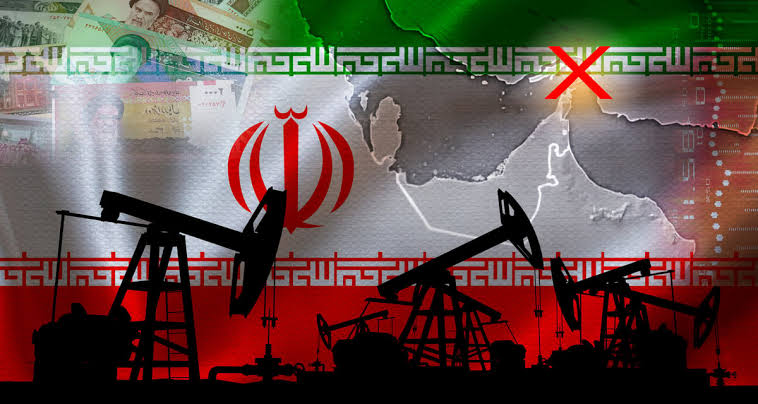
Diesel and jet fuel prices could remain about 30% above pre-war forecasts in 2027, even if the Iran war subsides, energy analytics firm
The average price of a gallon of regular gasoline was just under $4 on Monday, down roughly 16 cents in a week, but that’s mainly due to normal seasonal fluctuations Patrick De Haan GasBuddy’s heaad of petroleum analysis, told Forbes.
On the issue, Dan Pickering, founder of Pickering Energy Partners wrote, “The Blue Wave a one-day death spiral for oil.” Pickering arged further that the market’s election-driven reaction was “a bad take, as political gridlocking and Iranian behavior is likely to illustrate in coming weeks and months.”
Immediately after the midterms there was optimism that “both Republicans and Democrats would be under more pressure to contain the war and rising oil prices.
President Donald Trump has signaled that further military strikes on Iran were “highly unlikely” and that diplomacy was preferred, lowering fears of supply disruptions through the Strait of Hormuz.
Good News for Thanksgiving: Wells Fargo Forecasts Fall in Food Prices
The Wells Fargo Agri-Food Institute has announced that Americans should expect a slight relieve from soaring food prices during the 2026 Thanksgiving holidays.
The institute reported that its research shows that six of the 10 food items covered in the agency’s annual Thanksgiving food report released Monday have decreased in price: turkey (down 0.5%,) cranberries (down 6.6%) and frozen vegetables (down 4.2%), as well as stuffing, dinner rolls and whipped cream.
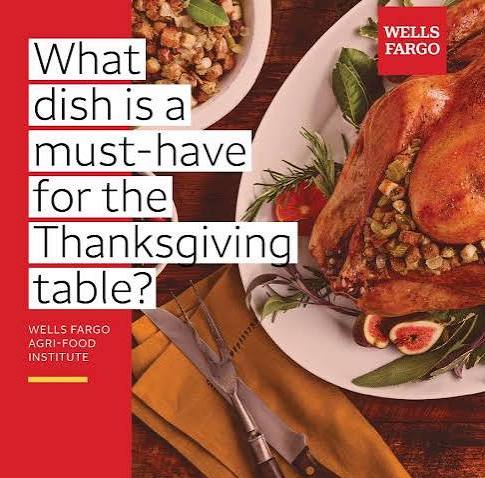
Salad mix prices have stayed flat, the report found, while pumpkin pie (up 2.5%), gravy mix (up 2.2%), and mashed potatoes (up 1.3%) saw modest increases.
The report says about one in eight U.S. adults report using GLP-1 medications, meaning a 10-person gathering is more likely than not to include at least one user, and those people spend less on groceries and eat smaller portion sizes.
The report also found that shoppers are opting for buying in bulk (like getting a 58-ounce pumpkin pie for $0.11/oz instead of a 22-oz pie for $0.26/oz) to maximize the value of their dollars spent.
The Wells Fargo Agri-Food Institute estimates a classic Thanksgiving feast for 10 will cost $78.93—approximately $7.89 per guest.
How do you feel about these falling prices?
Share your thoughts in the comments.
Afreximbank Grants NEXIM $30N Loan to Support SMEs
The African Export-Import Bank (Afreximbank) has granted the Nigeria Export-Import Bank (NEXIM) a loan facility of $30 million. The loan is to finance the improvement of access to funding for export-oriented small and medium enterprises (SMEs), strengthen industrial production and boost Nigeria’s participation in intra-African trade.

The facility was formalized at a signing ceremony during the opening of the 2026 Creative Africa Nexus Weekend (CANEX WKND) in Lagos.
According Afreximbank, the financing package comprises a $20 million revolving working capital facility and a $10 million medium-to-long-term loan facility.
NEXIM revealed that the approval was a significant milestone that reinforced confidence in Nigeria’s export financing ecosystem and the bank’s role in supporting the federal government’s export diversification agenda.
The facility is expected to support businesses involved in exports, intra-African trade, manufacturing, commodity processing and value-added production, while strengthening Nigeria’s position in continental trade under the African Continental Free Trade Area (AfCFTA).
Share your thoughts on this development.