

Report by Philip Effiom Ephraim
A Super El Niño happens when average sea surface temperatures in the equatorial Pacific Ocean (specifically the Niño 3.4 region) rise by 2°C or more above normal.
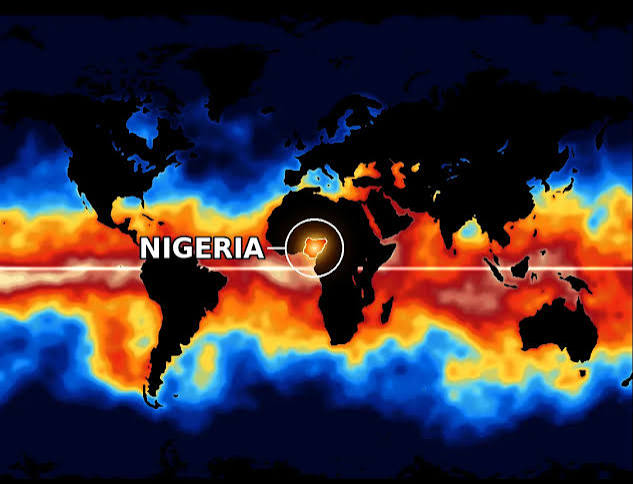
The phenomenon causes severe weather extremes worldwide including intense heat, droughts, wildfires, and supercharged storms and typhoons.
Research from the Climate Impact Lab projects that countries in sub-Saharan Africa, including Nigeria, Sudan, Niger, and Chad, face significant heat-related health risks as background temperatures combine with El Niño warming.
In Nigeria, The National Emergency Management Agency (NEMA) has advised households to focus on water storage, heat protection, regular hydration, and flood readiness. Other emergency management bodies across West Africa are also issuing warnings.
How to Stay Prepared (Nigeria Guidance)
Water & Hydration:
Store clean drinking water early and carry a water bottle to stay hydrated during high-heat days.
Emergency Kit:
Keep essentials like non-perishable food, flashlights, power banks, and medications in waterproof containers.
Stay in touch with Weather Alerts:
Follow official updates from the Nigerian Meteorological Agency (NiMet) and World Meteorological Organization.
Are you experiencing any bodily changes due to current temperatures?
Have you observed any changes in the environment due to temperature changes?
Share your thoughts.
Leave a Reply