

Following the results of the November 3 US midterm elections, Jet fuel prices fell 7%. Brent crude dropped below $100 a barrel, hitting multi-month lows (falling to around $92.57 to $94.62 per barrel by early the following week).
West Texas Intermediate (WTI) also declined significantly, dropping into the mid-$80s per barrel range.
Forbes reports that experts do not see a permanent relief in sight. John Gradek, an aviation risk management expert at McGill University, told Forbes that there is “no permanent relief in sight” for jet fuel prices. Gradek added that, “geopolitical tensions are key drivers of oil and aviation fuel prices, and these tensions remain, notwithstanding the midterms.”
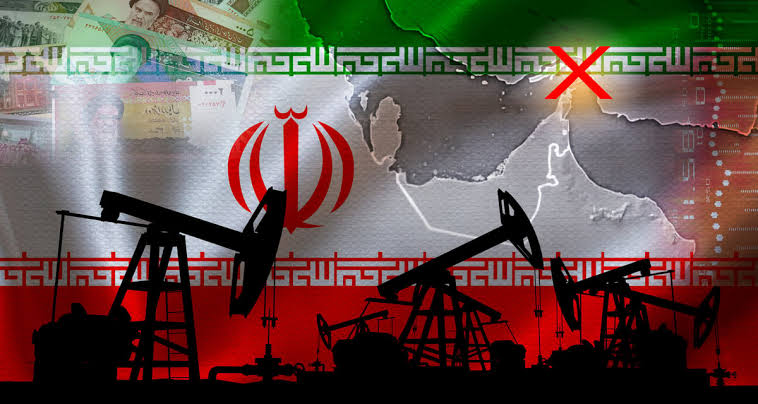
Diesel and jet fuel prices could remain about 30% above pre-war forecasts in 2027, even if the Iran war subsides, energy analytics firm
The average price of a gallon of regular gasoline was just under $4 on Monday, down roughly 16 cents in a week, but that’s mainly due to normal seasonal fluctuations Patrick De Haan GasBuddy’s heaad of petroleum analysis, told Forbes.
On the issue, Dan Pickering, founder of Pickering Energy Partners wrote, “The Blue Wave a one-day death spiral for oil.” Pickering arged further that the market’s election-driven reaction was “a bad take, as political gridlocking and Iranian behavior is likely to illustrate in coming weeks and months.”
Immediately after the midterms there was optimism that “both Republicans and Democrats would be under more pressure to contain the war and rising oil prices.
President Donald Trump has signaled that further military strikes on Iran were “highly unlikely” and that diplomacy was preferred, lowering fears of supply disruptions through the Strait of Hormuz.
Leave a Reply